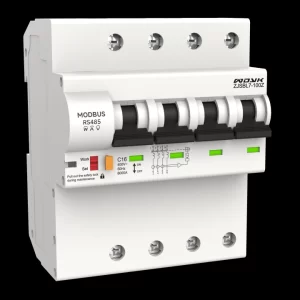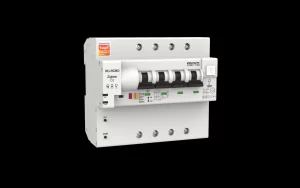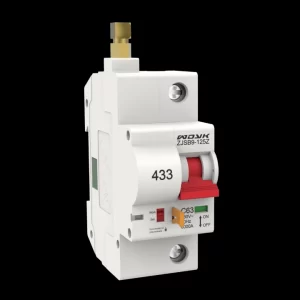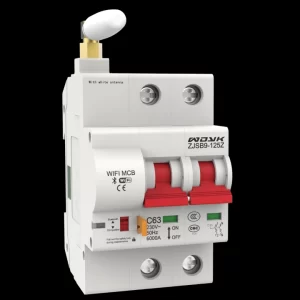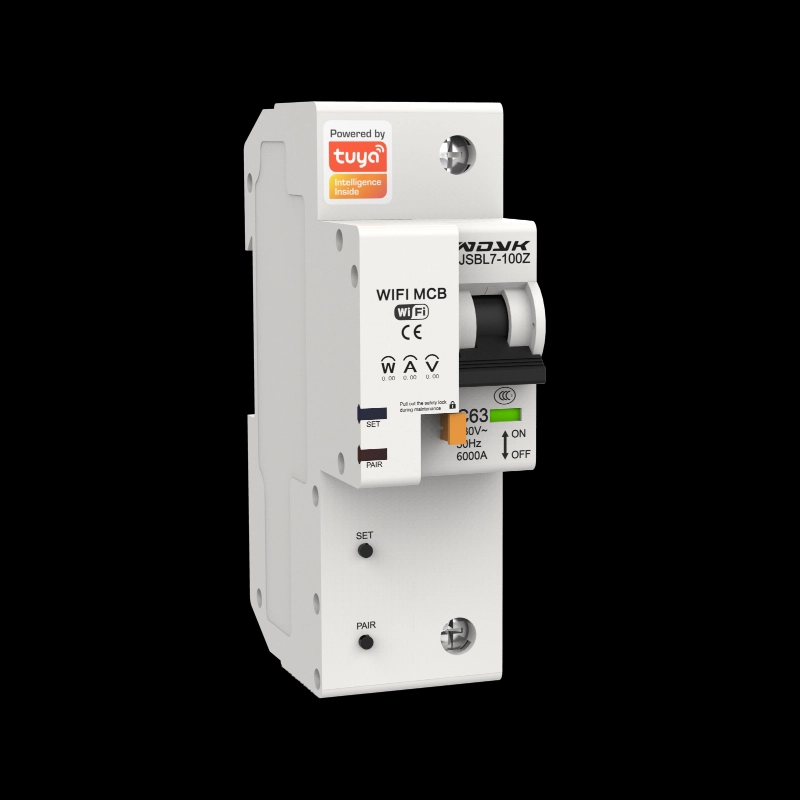
WIFI Smart Circuit Breaker With Metering-TW1-1P
WDYK WIFI Smart Circuit Breaker With Metering funtion,It integrates electronic technology, electrical automation technology, network communication technology, computer and software technology, and integrates protection, measurement, and monitoring. Except to overload, overcurrent, quick break, leakage, grounding, protection, and alarm functions, it can also display various characteristic parameters such as temperature, current, voltage, power factor, active and reactive power in real time, providing on-site actual operating data for operation and maintenance personnel to conduct corresponding information queries and fault diagnosis and treatment
Related Words:Best WIFI Circuit Breaker
What role does the metering circuit breaker play in the matching of new energy charging piles.
|
|
|
|
|---|---|---|
|
|
• Leakage Protection (Optional): Prevents electric shock risks due to insulation damage. • Power Quality Monitoring: Monitors harmonics, voltage sags, etc., protecting the internal precision converters of the charging pile. • Temperature Monitoring: Monitors terminal temperature to prevent overheating and fires caused by poor connections. |
|
|
|
• High Accuracy: Typically achieves Class 0.5 or Class 1 accuracy, meeting trade settlement requirements and avoiding disputes caused by measurement errors. • Anti-tampering: Integrated design makes data difficult to correct, safeguarding operator interests. |
|
|
|
• Real-time Status Monitoring: Remotely view full electrical parameters (voltage, current, power, energy) to grasp the real-time operating condition of the charging pile. • Demand-Side Management: Can remotely or automatically execute orderly charging strategies to adjust charging power during grid peak load periods. |
|
|
|
• Energy Consumption & Efficiency Analysis: Analyzes historical energy use and utilization rates of each charging pile, providing data support for optimizing layout and formulating time-of-use pricing strategies. • Lifetime Prediction: Predicts maintenance cycles by monitoring operation counts and load profiles. |
|